
A แจ็คสกรู — เขียนเป็นแม่แรงหรือแม่แรงสกรู — เป็นตัวยึดเชิงกลและแอคชูเอเตอร์การเคลื่อนที่เชิงเส้นที่แปลงการเคลื่อนที่แบบหมุนเป็นการกระจัดเชิงเส้นแบบควบคุม ในทางปฏิบัติ การหมุนสกรูจะทำให้โหลดขึ้นหรือลงด้วยความแม่นยำ ทำให้แจ็คสกรูเป็นสิ่งที่ขาดไม่ได้ในงานด้านยานยนต์ การบินและอวกาศ อุตสาหกรรม และอิเล็กทรอนิกส์ ซึ่งแตกต่างจากระบบไฮดรอลิกซึ่งต้องใช้แรงดันคงที่ในการรับน้ำหนักให้อยู่กับที่ สกรูแม่แรงมีการล็อคตัวเองโดยธรรมชาติ: เมื่อแรงหมุนถูกดึงออก สกรูจะยังคงอยู่ไม่ว่าจะรองรับน้ำหนักเท่าใด ทำให้สกรูมีความปลอดภัยมากขึ้นและบำรุงรักษาน้อยลงในสภาพแวดล้อมจริงหลายแห่ง
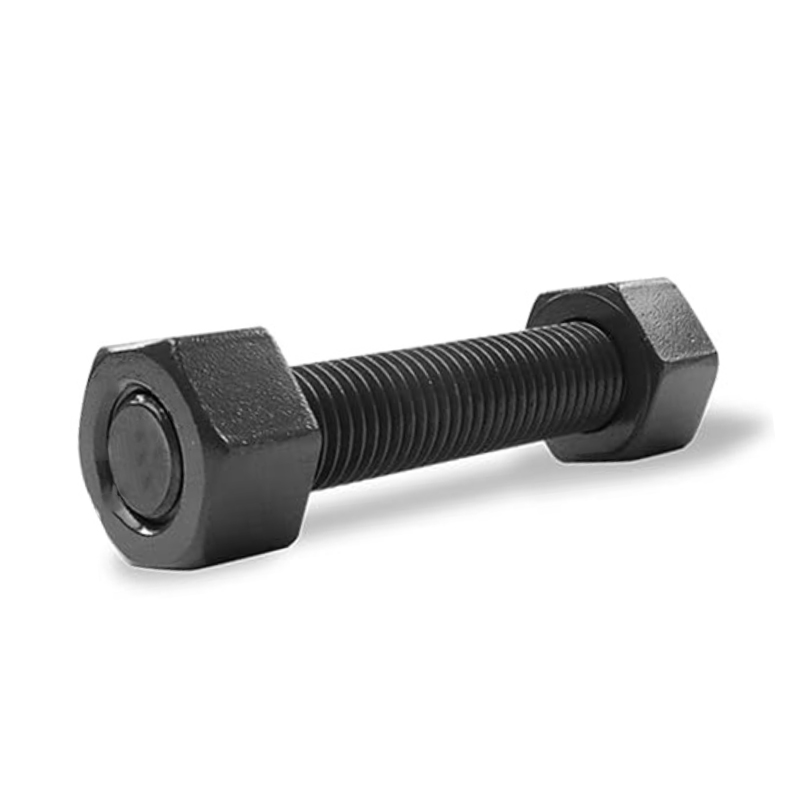
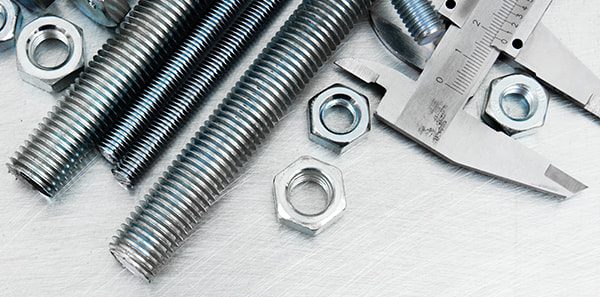
ในระดับพื้นฐานที่สุด แม่แรงแม่แรงประกอบด้วยแกนเกลียวหรือสตั๊ดที่จับคู่กับน็อตหรือตัวเรือนเกลียว รูปทรงของเกลียว ไม่ว่าจะเป็นแบบ Acme ทรงสี่เหลี่ยม หรือแบบบอล จะเป็นตัวกำหนดประสิทธิภาพ ความสามารถในการรับน้ำหนัก และความต้านทานของแบ็คไดรฟ์ของชุดประกอบ ความเรียบง่ายเชิงโครงสร้างนี้คือสิ่งที่ทำให้แม่แรงแจ็คสกรูมีความอเนกประสงค์: หลักการพื้นฐานเดียวกันนี้ในการยกรถขึ้นจากพื้น จะเป็นการปรับโคลงแนวนอนของเครื่องบินหรือยึดขั้วต่อ D-sub ของแผงวงจรให้เข้าที่
การทำความเข้าใจว่าแม่แรงทำงานอย่างไรเริ่มต้นด้วยหลักการลิ่ม เกลียวเกลียวบนแม่แรงทำหน้าที่เป็นระนาบเอียงอย่างต่อเนื่องพันรอบกระบอกสูบ เมื่อใช้แรงบิดด้วยมือ ก้านโยก หรือมอเตอร์ เกลียวจะยึดน็อตจับคู่และแปลพลังงานการหมุนนั้นเป็นแรงตามแนวแกนตามแนวกึ่งกลางของสกรู ข้อได้เปรียบทางกลที่ได้รับจะเกี่ยวข้องโดยตรงกับระยะพิทช์เกลียว (ระยะห่างระหว่างยอดเกลียว) และรัศมีที่ใช้แรงเข้า
มีการกำหนดค่าการทำงานหลักสองแบบ:
แรงเสียดทานมีบทบาทสองประการในกลศาสตร์แจ็คสกรู แรงเสียดทานของเกลียวสูงจะลดประสิทธิภาพลง (โดยทั่วไปคือ 30–50% สำหรับลีดสกรูมาตรฐาน) แต่ยังให้ลักษณะการล็อคตัวเองด้วย บอลสกรูรุ่นต่างๆ ช่วยลดแรงเสียดทานอย่างมีนัยสำคัญผ่านหน้าสัมผัสแบบกลิ้ง ซึ่งช่วยเพิ่มประสิทธิภาพได้ถึง 90% ขึ้นไป แม้ว่าจะแลกกับความต้านทานแบ็คไดรฟ์ก็ตาม ซึ่งต้องใช้เบรกในการใช้งานที่ต้องยึดโหลดให้อยู่กับที่
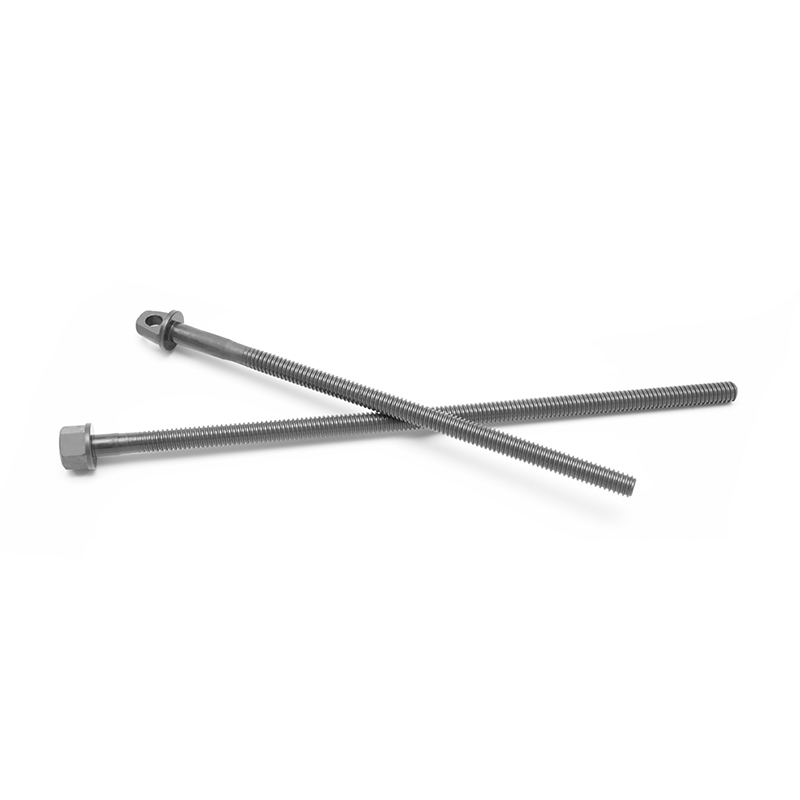
สกรูแม่แรงมีจำหน่ายในหลากหลายรูปแบบเพื่อให้เหมาะกับการรับน้ำหนัก ความเร็ว และข้อกำหนดด้านสิ่งแวดล้อมที่แตกต่างกัน แท่งเกลียวและสตัด — ส่วนประกอบหลักของชุดประกอบแจ็คสกรูส่วนใหญ่ — มีหลายรูปแบบ:
| ประเภท | โปรไฟล์เธรด | ดีที่สุดสำหรับ |
| ลีดสกรู Acme | สี่เหลี่ยมคางหมู | ของหนัก, แจ็ครถยนต์ |
| ลีดสกรูแบบเหลี่ยม | สี่เหลี่ยมจัตุรัส | ประสิทธิภาพสูง โหลดด้านข้างต่ำ |
| บอลสกรู | ซุ้มประตูแบบกอธิค | การวางตำแหน่งที่แม่นยำ CNC หุ่นยนต์ |
| ความขัดแย้งระหว่างชาย-หญิง | ภายใน ภายนอก | อิเล็กทรอนิกส์, ส่วนประกอบ PCB, ตัวเชื่อมต่อ |
แม่แรงแยกตัวผู้และตัวเมียสมควรได้รับการกล่าวถึงเป็นพิเศษในการใช้งานทางอิเล็กทรอนิกส์ มีลักษณะเกลียวทั้งภายในและภายนอก ช่วยให้สามารถเชื่อมต่อส่วนประกอบต่างๆ ด้วยข้อกำหนดเกลียวที่แตกต่างกัน ซึ่งมักพบเห็นได้บนขั้วต่อ D-subminiature (D-sub) โดยที่ยึดขั้วต่อทั้งสองซีกไว้แน่น ป้องกันการขาดการเชื่อมต่อโดยไม่ได้ตั้งใจ และดูดซับแรงแทรก/การสกัดขนาดใหญ่ที่เกี่ยวข้อง
วัสดุของแกนเกลียวของแม่แรงส่งผลโดยตรงต่อความสามารถในการรับน้ำหนัก ความต้านทานการกัดกร่อน และอายุการใช้งาน วัสดุสองชนิดครองตลาด:
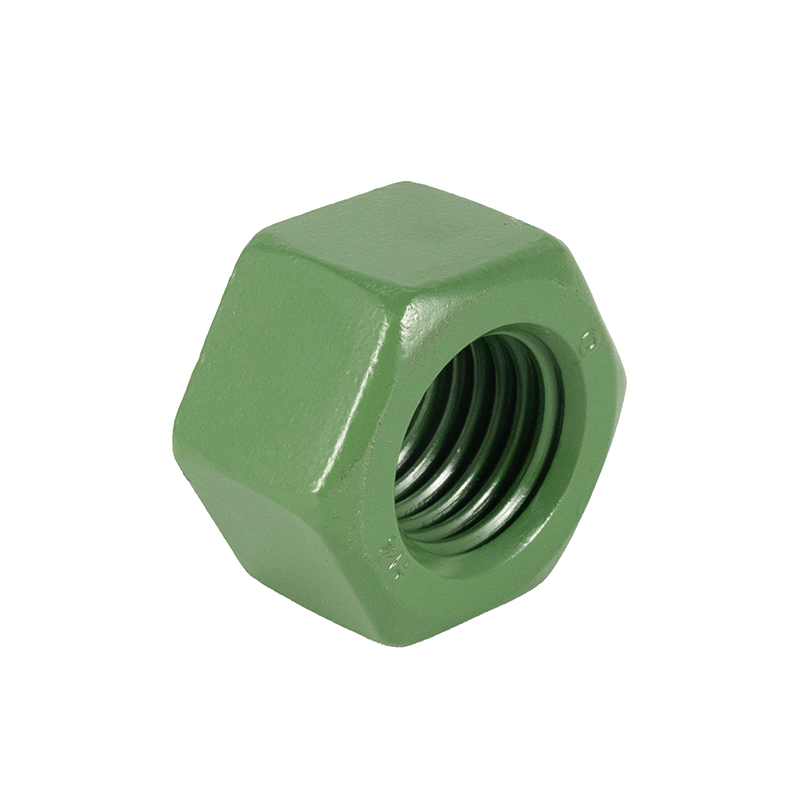
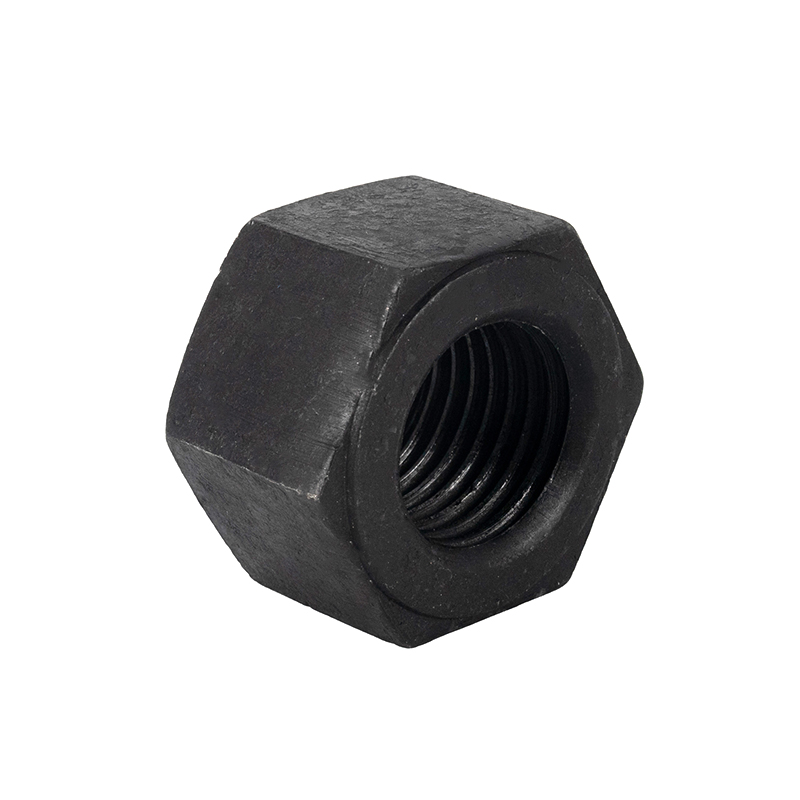
เส้นเกลียวเหล็กกล้าคาร์บอนมีความต้านทานแรงดึงที่เหนือกว่า ทำให้เป็นตัวเลือกสำหรับการใช้งานที่มีน้ำหนักมาก เช่น แม่แรงในรถยนต์และชุดประกอบการยกทางอุตสาหกรรม ปริมาณคาร์บอนที่สูงขึ้นจะเพิ่มความแข็ง ซึ่งมีประโยชน์อย่างยิ่งในการใช้งานที่มีวงจรความเค้นซ้ำๆ การรักษาความร้อน — เช่น การชุบแข็งและการอบคืนตัว — ช่วยเพิ่มความต้านทานการสึกหรอของเกลียว และยืดอายุการใช้งานภายใต้สภาวะที่ต้องการ โดยทั่วไปแล้ว แม่แรงเหล็กคาร์บอนจะถูกเคลือบด้วยฟอสเฟต การเคลือบอิเล็กโตรโฟเรติก (อีโค้ต) หรือการชุบสังกะสี เพื่อป้องกันการกัดกร่อนในสภาพแวดล้อมที่เหล็กเปลือยอาจมีความเสี่ยง
แท่งเกลียวสเตนเลสสตีล (กำหนดโดยปริมาณโครเมียม 10.5% ขึ้นไป) ก่อให้เกิดชั้นออกไซด์แบบพาสซีฟที่ต้านทานการเกิดสนิมและการกัดกร่อนโดยไม่ต้องมีการเตรียมพื้นผิวเพิ่มเติม สิ่งนี้ทำให้พวกเขาเป็นตัวเลือกที่ต้องการสำหรับอุปกรณ์แปรรูปอาหาร สภาพแวดล้อมทางทะเล อุปกรณ์ทางการแพทย์ และการประกอบใดๆ ที่ไม่สามารถยอมรับการปนเปื้อนจากสนิมได้ แม้ว่าโดยทั่วไปแล้วเหล็กสเตนเลสจะมีความแข็งน้อยกว่าเหล็กกล้าคาร์บอนที่ผ่านการอบร้อน แต่เกรดบางเกรด (เช่น 316 หรือ 17-4 PH) สามารถมีระดับความแข็งแกร่งที่ทัดเทียมกับเหล็กกล้าคาร์บอนเกรดกลาง โดยให้สิ่งที่ดีที่สุดทั้งสองอย่าง
การผลิตเส้นเกลียวแบบดั้งเดิมมักอาศัยการตัดหรือการเจาะด้วยความร้อน ซึ่งจะขจัดหรือเคลื่อนย้ายวัสดุในลักษณะที่อาจทำให้เกิดรอยแตกร้าวขนาดเล็ก ข้อบกพร่องที่พื้นผิว และมิติที่ไม่สอดคล้องกัน เทคโนโลยีการขึ้นรูปเย็นใช้แนวทางที่แตกต่างโดยพื้นฐาน: วัสดุจะถูกขึ้นรูปที่อุณหภูมิห้องในจังหวะเดียว โดยไม่ต้องเอาวัสดุออก เส้นใยโลหะไหลอย่างต่อเนื่องผ่านชิ้นส่วน ส่งผลให้โครงสร้างเกรนมีความหนาแน่นและแข็งแรงกว่าเมื่อเปรียบเทียบกับเกลียวที่ตัด
ข้อได้เปรียบในทางปฏิบัติสำหรับส่วนประกอบแม่แรงมีความสำคัญ:
แม้แต่วัสดุฐานคุณภาพสูงก็ยังได้รับประโยชน์จากการปรับสภาพพื้นผิวที่เหมาะสม โดยเฉพาะอย่างยิ่งเมื่อแจ็คสกรูทำงานในสภาพแวดล้อมที่มีฤทธิ์กัดกร่อน มีความชื้นสูง หรือมีปฏิกิริยาทางเคมี การบำบัดสามประการมีความเกี่ยวข้องเป็นพิเศษกับแท่งเกลียวที่ใช้ในชุดประกอบแจ็คสกรู:
ความอเนกประสงค์ของ แม่แรง หมายถึงปรากฏอยู่ในอุตสาหกรรมที่หลากหลายอย่างน่าทึ่ง สิ่งที่สำคัญที่สุดได้แก่:
แท่งเกลียวและสตัดเป็นองค์ประกอบโครงสร้างหลักในชุดแม่แรงสำหรับรถขับเคลื่อนด้วยเชื้อเพลิงสำหรับแบรนด์หลักๆ เช่น Ford และ Volkswagen ตัวอย่างเช่น แกนรองรับในแม่แรงแบบกรรไกรนั้นเป็นแม่แรงที่มีขนาดแม่นยำซึ่งจะต้องทนต่อทั้งแรงอัดของยานพาหนะและความเค้นดัดงอที่เกิดขึ้นระหว่างการทำงาน แท่งเหล็กกล้าคาร์บอนหัวเย็น — มักเคลือบและทาสีฟอสเฟต — เป็นตัวเลือกมาตรฐานสำหรับการใช้งานนี้ โดยให้ความแข็งแกร่งและความสม่ำเสมอของขนาดที่จำเป็นเพื่อให้ตรงตามข้อกำหนดของ OEM
ลิฟต์และแท่นยกแนวตั้งอาศัยชุดแม่แรงแม่แรงเพื่อให้การเคลื่อนที่เชิงเส้นที่ควบคุมและทำซ้ำได้ ในระบบเหล่านี้ คุณสมบัติการล็อคตัวเองของเกลียวสกรูเป็นคุณลักษณะด้านความปลอดภัยที่สำคัญ — แท่นจะต้องคงอยู่ในตำแหน่งโดยไม่มีไฟฟ้า โดยทั่วไปแล้ว ก้านเกลียวที่ทำจากเหล็กสเตนเลสหรือเหล็กกล้าคาร์บอนเคลือบจะระบุไว้เพื่อรองรับรอบการโหลดและการสัมผัสต่อสิ่งแวดล้อมตามแบบฉบับของปล่องลิฟต์
เมื่อใดก็ตามที่จำเป็นต้องเปลี่ยนตำแหน่งเชิงเส้นอย่างแม่นยำ — การปรับโต๊ะเครื่องมือกล, จิ๊กกำหนดตำแหน่งและฟิกซ์เจอร์, ระบบสายพานลำเลียงแบบปรับความตึง — แม่แรงให้โซลูชันฟันเฟืองต่ำที่เชื่อถือได้ ความยืดหยุ่นด้านความยาวที่ได้จากการขึ้นรูปเย็น (14 มม. ถึง 500 มม. ในขั้นตอนการขึ้นรูปครั้งเดียว) หมายความว่าสามารถระบุแท่งเกลียวเพื่อให้ตรงกับความยาวระยะชักที่แน่นอนตามการใช้งาน ซึ่งช่วยลดความจำเป็นในการตัดเฉือนแบบกำหนดเองที่มีราคาแพง
การเลือกแกนเกลียวหรือชุดแม่แรงแจ็คสกรูที่ถูกต้องสำหรับการใช้งานของคุณจำเป็นต้องมีปัจจัยที่สัมพันธ์กันหลายประการอย่างสมดุล:
ด้วยการปรับตัวแปรเหล่านี้ให้สอดคล้องกับข้อกำหนดการใช้งานของคุณ คุณสามารถระบุแกนเกลียวแม่แรงที่ให้ประสิทธิภาพที่เชื่อถือได้ตลอดอายุการใช้งาน ไม่ว่าจะเป็นการยกรถ การวางตำแหน่งลิฟต์ หรือการยึดขั้วต่อที่มีความแม่นยำในแผงควบคุมทางอุตสาหกรรม
 ข้อมูลการติดต่อ
 ที่อยู่